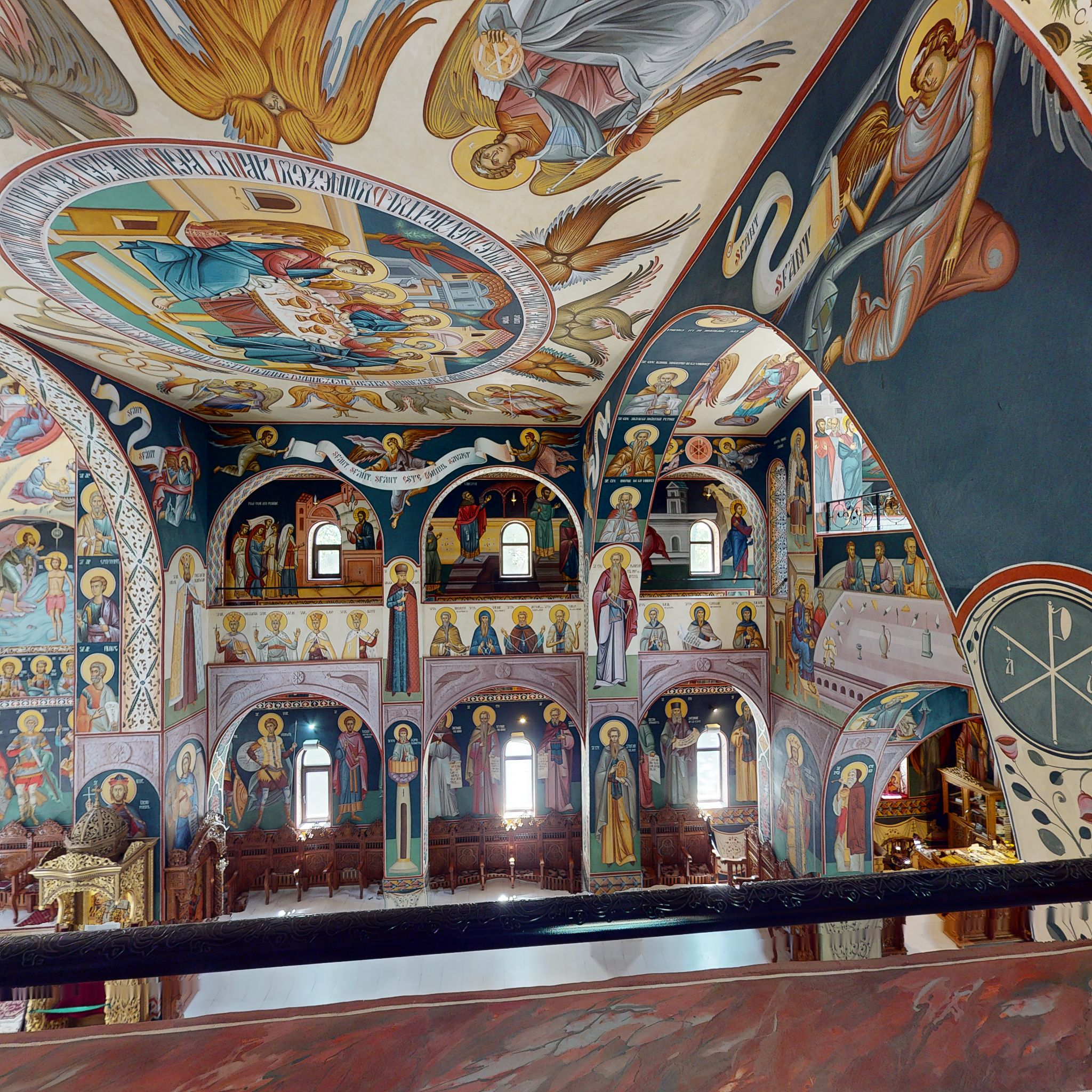
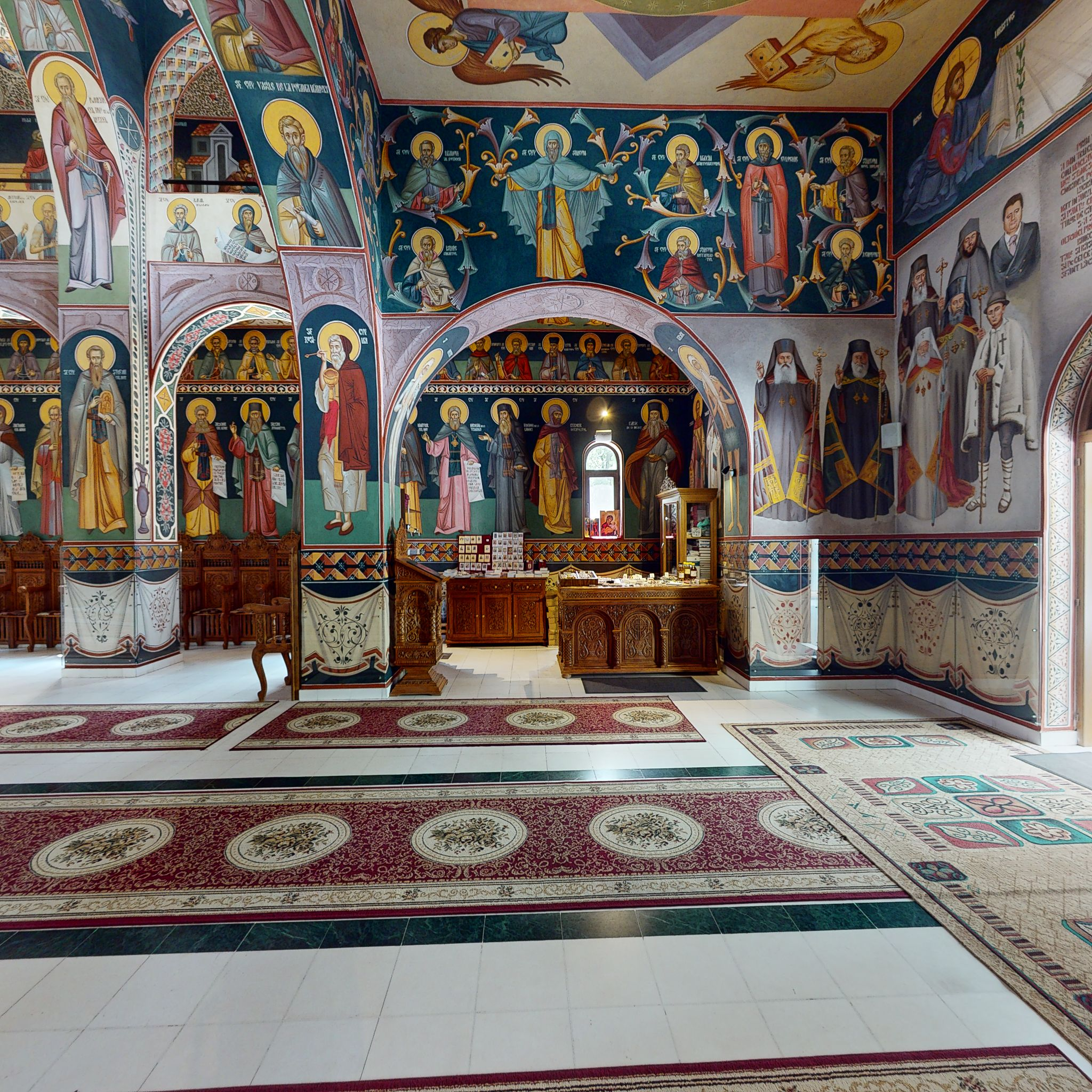
Overview
The story of the construction of the monastery is related to an illiterate, deaf and poor shepherd stuck to the earth-Petre Lupu, who is said to have appeared to Petrache in 1935, between Easter and Pentecost, God asking him to preach the love of the faith. Thus he restored his hearing and speech, his visions and healings, making Maglavit a place of pilgrimage.
The Maglavit Monastery was abolished by the communists and re-established, dedicated to the Healing Spring, in 1990, the year in which the works unfinished before the war continued.
At the Maglavit monastery, Petrache Lupu is buried.
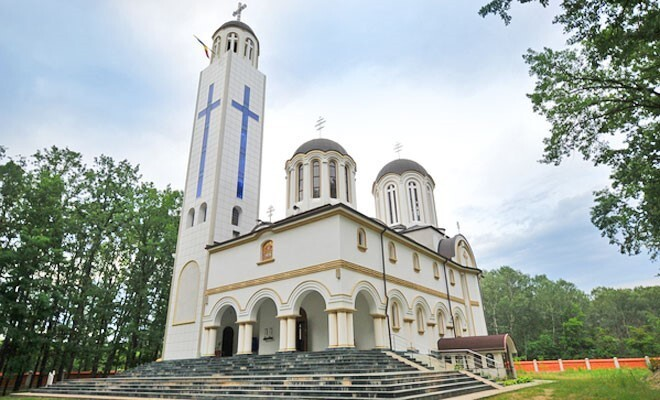
After the Revolution of 1989, on August 17, 1990, at the request of the faithful, the Metropolis of Oltenia re-established the monastery, started in 1936. The pastorate was entrusted to Archimandrite Policarp Sidor. There was no monastic life in the area in the past, but after the events of Petrache Lupu, a few monks settled here, and on the banks of the Danube - a small community of nuns. Here, "at the log", where a monk began to serve, there was also an abbot named Nicanor. Also then, the construction of a large church began with the aim of perpetuating the message of the Maglavit and spreading it. The large brick wall church was planned and designed on stilts to be protected from the waters of the Danube.
Currently, thanks to the construction of a dike, the water no longer threatens the church. The construction of the church began in 1936 and continued, but to a lesser extent, until 1940.
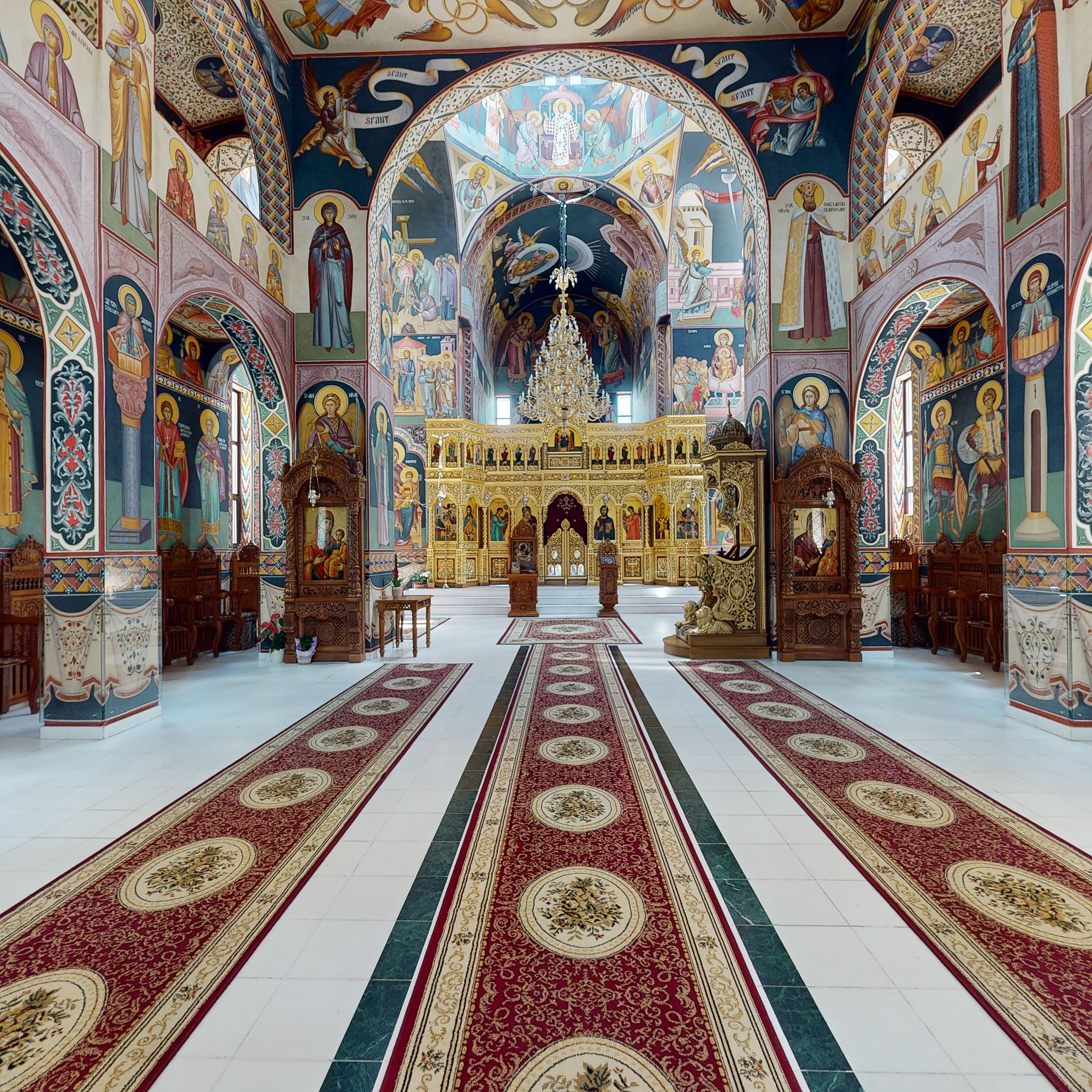
After 1990, the basement and the brick ground floor were closed, thus constituting the place for services.
In 2010, the Maglavit Monastery was transformed from a monastery of monks into a monastery of nuns.
In the summer of 1935, in Maglavit, a village near the Danube, God appeared to a shepherd named Petrache Lupu. Lame from birth and illiterate, after receiving the divine command to bring the hardened and ravaged world on the right path, the shepherd began to speak and perform miracles. This is how one of the most famous religious phenomena in Romania was born, which gathered crowds of hundreds of thousands of people, coming from all the counties of the country, intellectuals, priests, politicians and peasants alike. We are retelling the history of Maglavit, for the sake of its picturesqueness, that by a miraculous, inexplicable event, as it remained in the notebooks of father Nicolae Bobin, who faithfully wrote down the "confessions" of his countryman, Petrache, as well as the testimonies of people who knew the "Saint" closely, the nickname by which the shepherd to whom God appeared passed into the world beyond.
The stories about Petrache Lupu and the place where God appeared to him are endless. Perhaps the easiest is to go there. To see the place in the forest, called "at the logs", where "Santa" appeared, or at the willow tree on which He leaned and since then healing water drips from it, or at the cross in the meadow, near the four mulberries, from where Petrache, an orphaned and illiterate shepherd, knew how to speak the word of God. You can't help but feel the power, the pressure of that vast place, full of water holes, at the edge of the acacia forest. If you stand still in the light-filled air, hear the Danube, hear the prayers of old, woven into that endless flow of water. And a voice that seems to go ahead of everyone, easily recognizable: Petrache Lupu, the Man of God.